
OUR EXPERTISE
WHAT WE DO

Cargo Classification & Documentation
Accurate identification of UN class, packing group, and hazard category, backed by complete IMDG/IATA-compliant documentation.
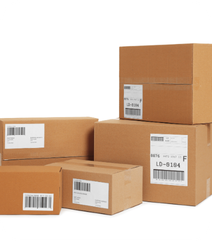
Compliant Packaging & Labelling
UN-approved packaging, labelling, and placarding as per international DG regulations to prevent handling errors.
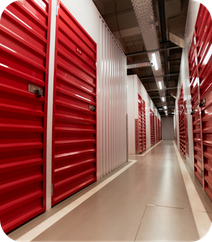
Segregation & Safe Storage
Class-wise segregation and specialized warehousing to prevent reactive or incompatible cargo combinations.
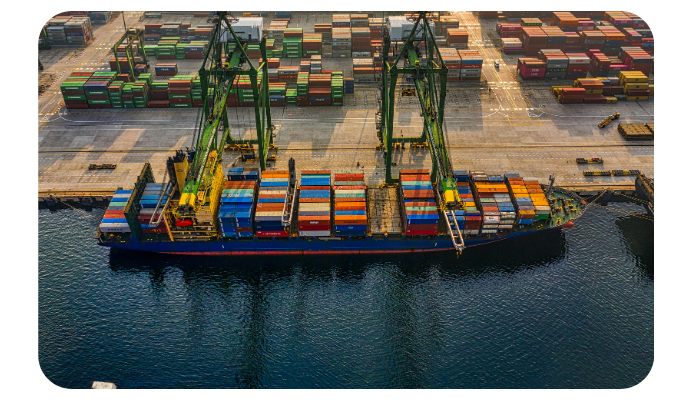
Sea Freight
KEY FEATURES

Certified Compliance Handling
Every shipment classified, packaged, and documented per IMDG and IATA hazardous goods standards.

Class-Wise Segregation
Dedicated storage and handling to keep incompatible hazard classes safely apart.

Multimodal DG Transport
Safe movement across road, rail, air, and sea with mode-specific safety protocols.

Emergency-Ready Operations
Trained personnel and response plans in place to handle any in-transit incident swiftly.

How IT Work
We Maintain some of
Work Process
From the moment you contact us to the moment your cargo arrives, we manage every step of your shipment with hands-on coordination — no online self-service, just a dedicated team handling your freight directly.
Shipment & Delivery
Your cargo is shipped and tracked through to arrival, with our team keeping you updated until it reaches its destination.
request a quote
FAQ
Frequently Asked Any Questions
-
What's the difference between FCL and LCL shipping?
FCL (Full Container Load) means your cargo has an entire container to itself, ideal for larger shipments. LCL (Less than Container Load) lets you share container space with other shippers, which works well for smaller cargo volumes.
-
What documents do I need for a sea freight shipment?
Typically a commercial invoice, packing list, bill of lading, and any product-specific certificates. Our team helps prepare and verify all documentation before loading.
-
How can I track my shipment?
Once your cargo is booked, you'll receive shipment updates at each milestone — from port loading to vessel departure and arrival — so you always have visibility into where things stand.
-
How far in advance should I book my shipment?
We recommend booking at least 1–2 weeks before your intended departure date to secure container space and avoid last-minute rate increases, especially during peak shipping seasons.