 OUR EXPERTISE
WHAT WE DO
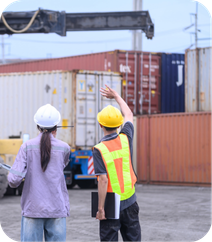
Containerized Cargo Movement
FCL and LCL handling across all standard container sizes with full shipment visibility.
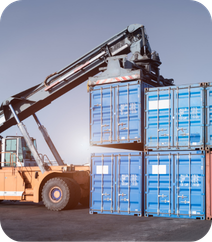
Breakbulk & Loose Cargo Handling
Safe handling for bagged, palletized, and crated cargo that doesn't fit standard containers.
Domestic & Cross-Border Transportation
Coordinated road and rail transport with proper documentation for smooth transit.
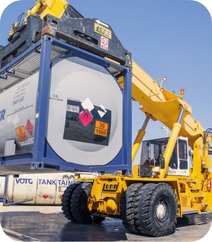
Project Cargo
Specialized transportation for oversized, heavy, or complex cargo requiring customized planning and handling.

Liquid Cargo
Safe and efficient transportation of liquid goods using specialized tanks and containers while ensuring quality and compliance.
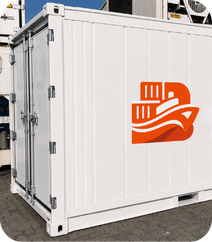
Reefer Containers
Temperature-controlled containers designed to transport perishable and sensitive goods while maintaining the required climate throughout transit.
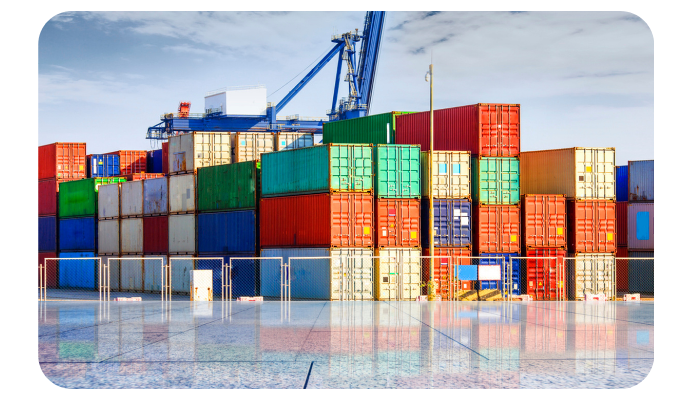
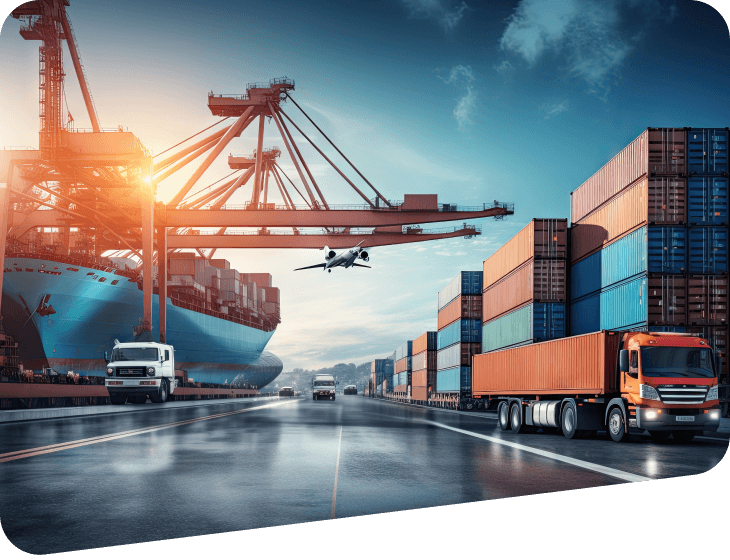
Sea Freight
KEY FEATURES


Engineering-Led Cargo Assessment
Load calculations and securing plans designed for safe, stable transit.
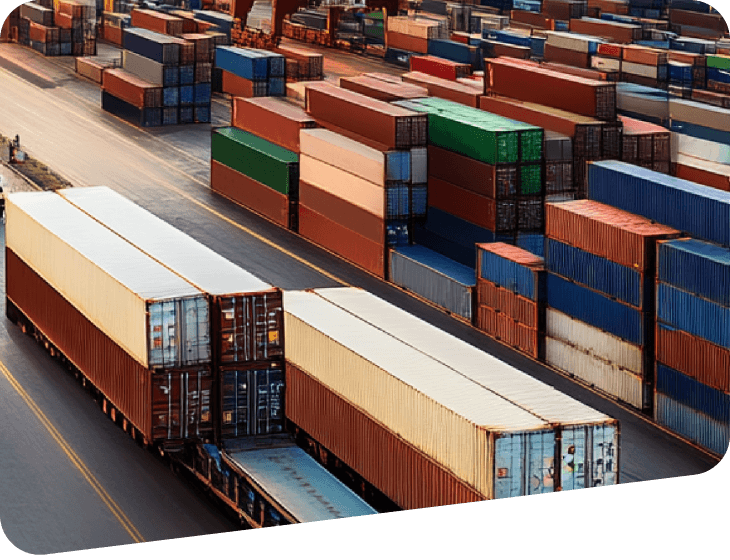

Customized Supply Chain Solutions
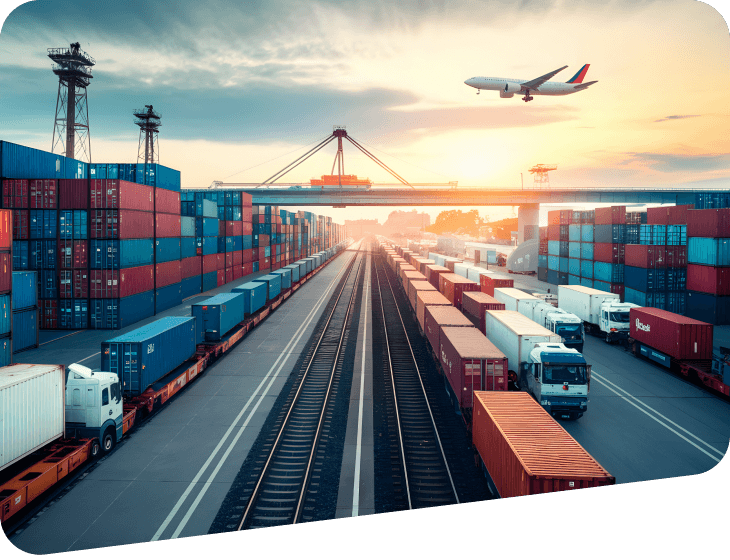
Coordinated road, rail, and sea transport for complex cargo routes.

Real-Time Convoy Tracking
Live GPS updates on your shipment's location and progress.

Risk Mitigation & Insurance Support
Risk assessment and insurance guidance for high-value cargo.


Shipment & Delivery
Your cargo is shipped and tracked through to arrival, with our team keeping you updated until it reaches its destination.