 OUR EXPERTISE
WHAT WE DO
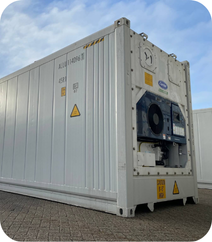
Temperature, Humidity & Ventilation Control
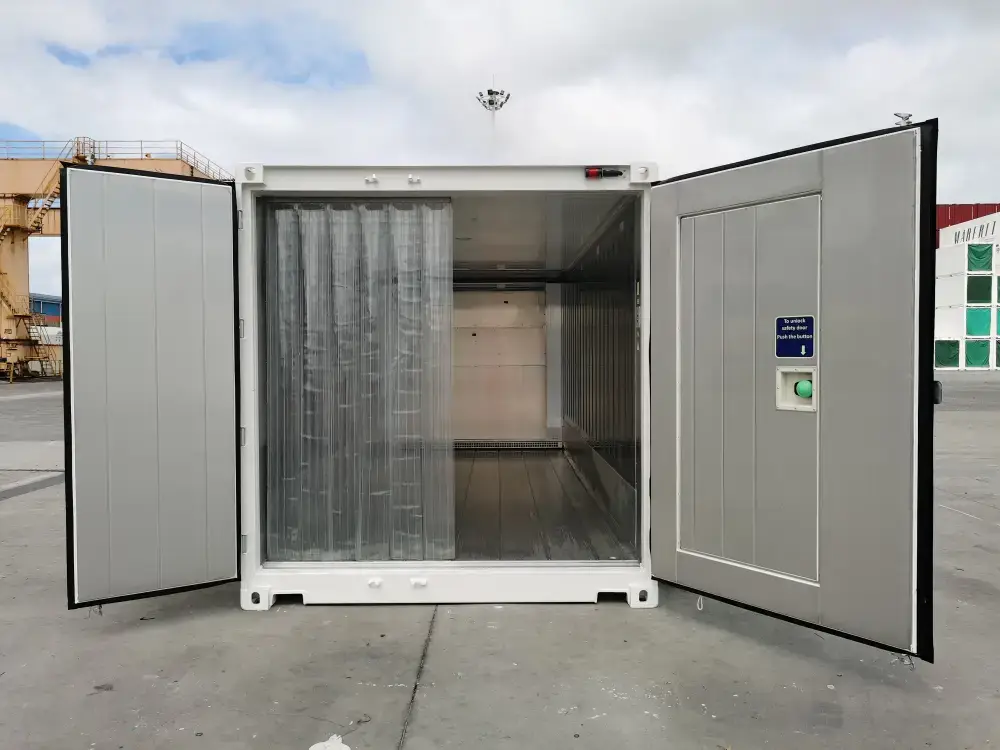
Every reefer container is fitted with precise temperature, humidity and ventilation settings
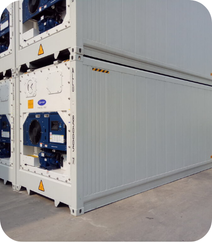
Controlled Atmosphere (CA) Technology
For sensitive fruits and vegetables, Controlled Atmosphere technology regulates oxygen
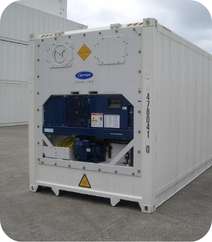
Pre-Trip Inspection & In-Transit Monitoring
Every container goes through a thorough pre-trip inspection (PTI) before loading
Sea Freight
KEY FEATURES


Extended Transit Range
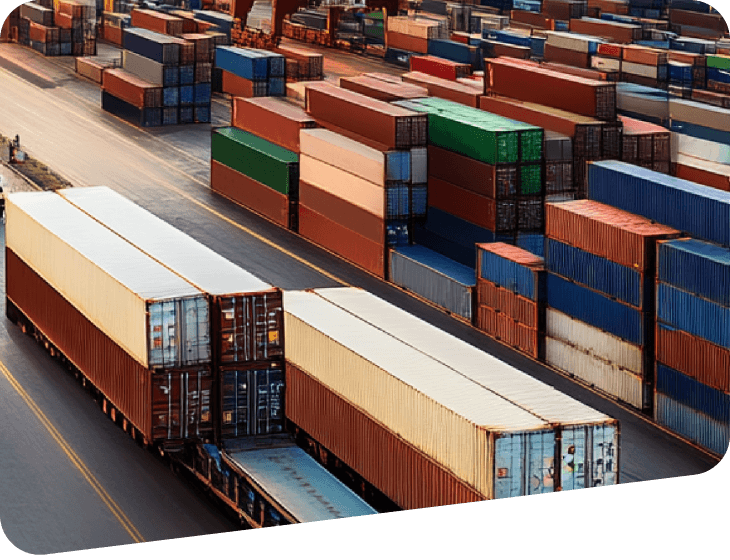
With Controlled Atmosphere technology, sensitive commodities can travel much longer distances by sea — avocados for up to 35 days, bananas up to 45 days, blueberries up to 28 days, and mangoes up to 28 days, opening up ocean freight as a viable alternative to airfreight.

Preserves Freshness, Colour & Condition
By slowing respiration and controlling ethylene build-up, reefer technology keeps produce closer to its harvest-day quality for longer, reducing the risk of chilling injury, freeze injury and premature ripening.


Reduced Wastage & Weight Loss
Dehumidification and atmosphere control cut down on moisture loss and decay, helping shippers reduce spoilage-related losses and extend the product's market shelf life.


Wide Range of Container Types
From standard reefer units to Controlled Atmosphere containers designed specifically for fruits and vegetables, we help you choose the right equipment for chilled, frozen or highly sensitive cargo.


Shipment & Delivery
Your cargo is shipped and tracked through to arrival, with our team keeping you updated until it reaches its destination.